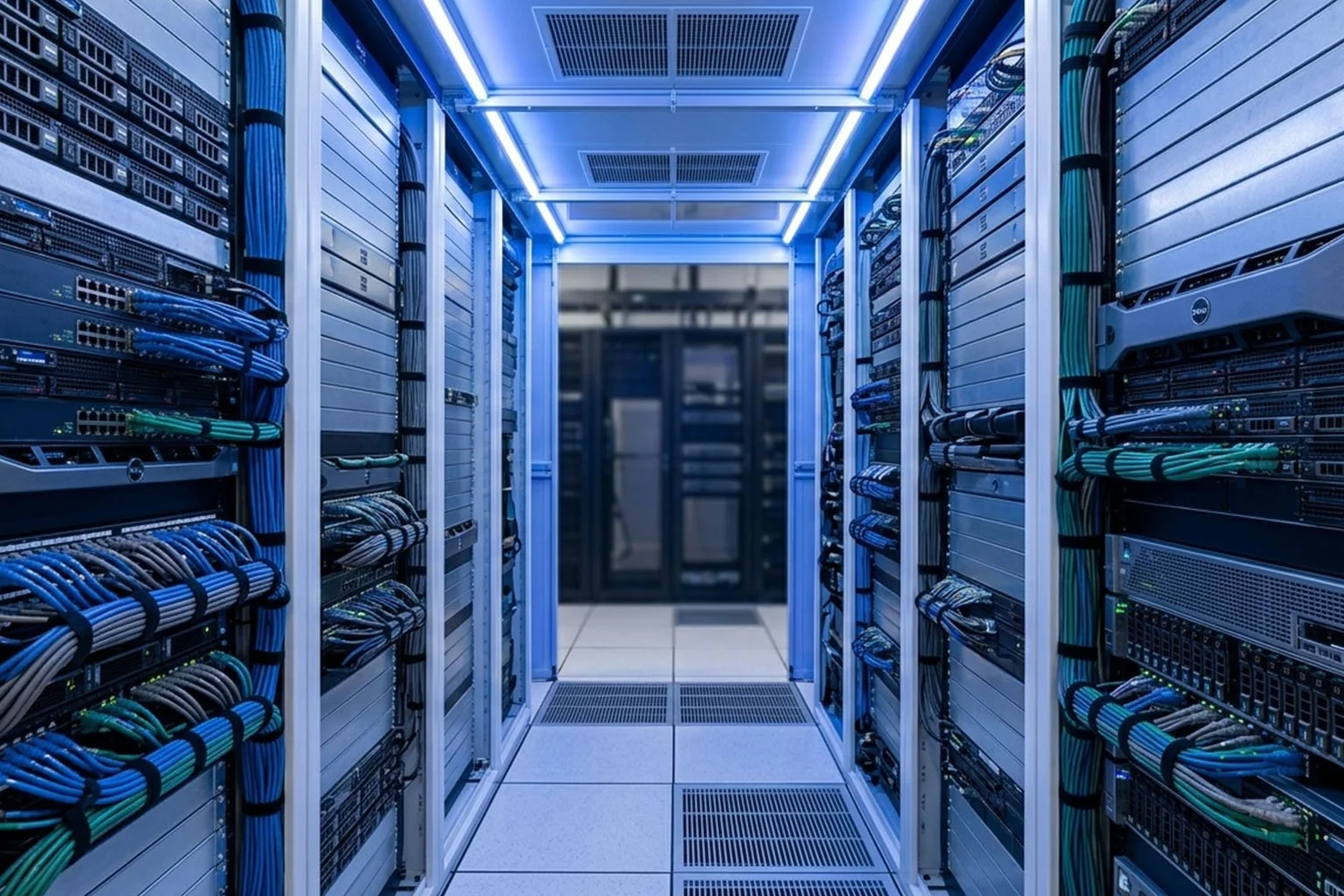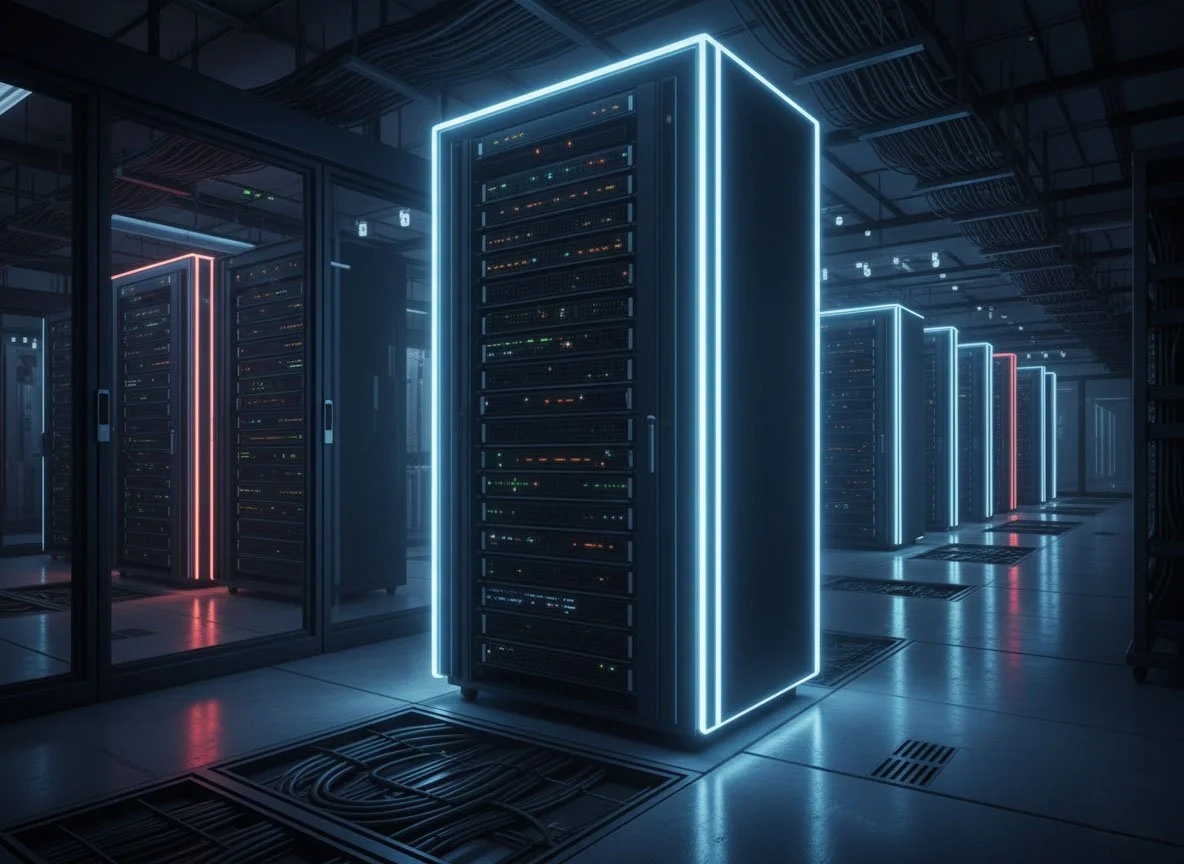
Racks: The Foundation of Every Data Center
Rack and stack is where every data center begins — and how well it's built determines everything that follows. From installation sequence and power redundancy to patch panel architecture and fiber end-face cleanliness, we break down the complete process, the standards that separate clean deployments from costly ones, and the fundamentals that keep infrastructure maintainable for years.
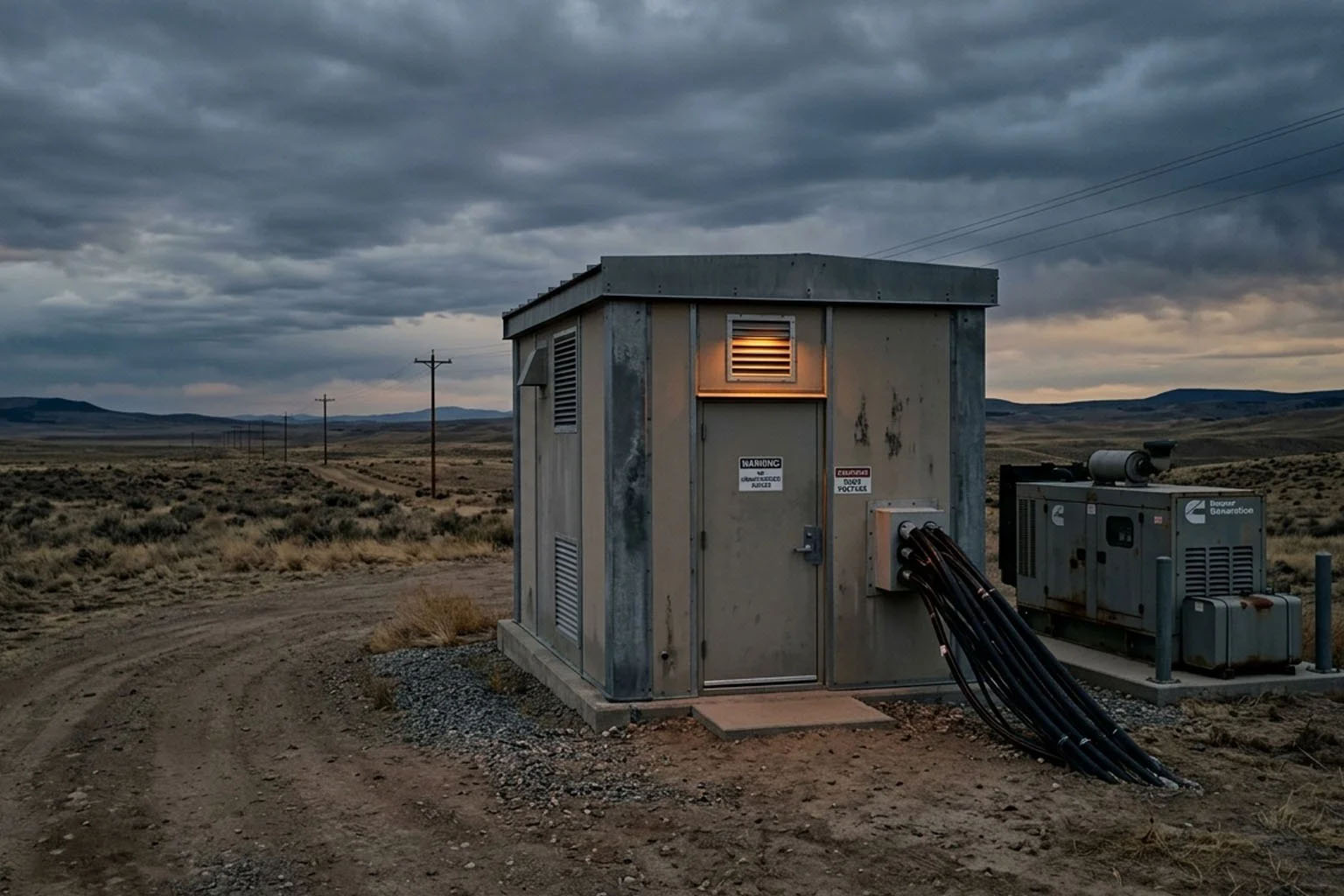
What Goes Into an ILA Hut BUILD
ILA huts sit every 60–100 km along long-haul fiber routes, keeping signals alive across thousands of miles — unmanned, hardened, and built to run without fail. Here's a complete breakdown of everything that goes into designing and building one out: structure, power, cooling, optical equipment, telemetry, and the five-phase delivery process we use to get it right.
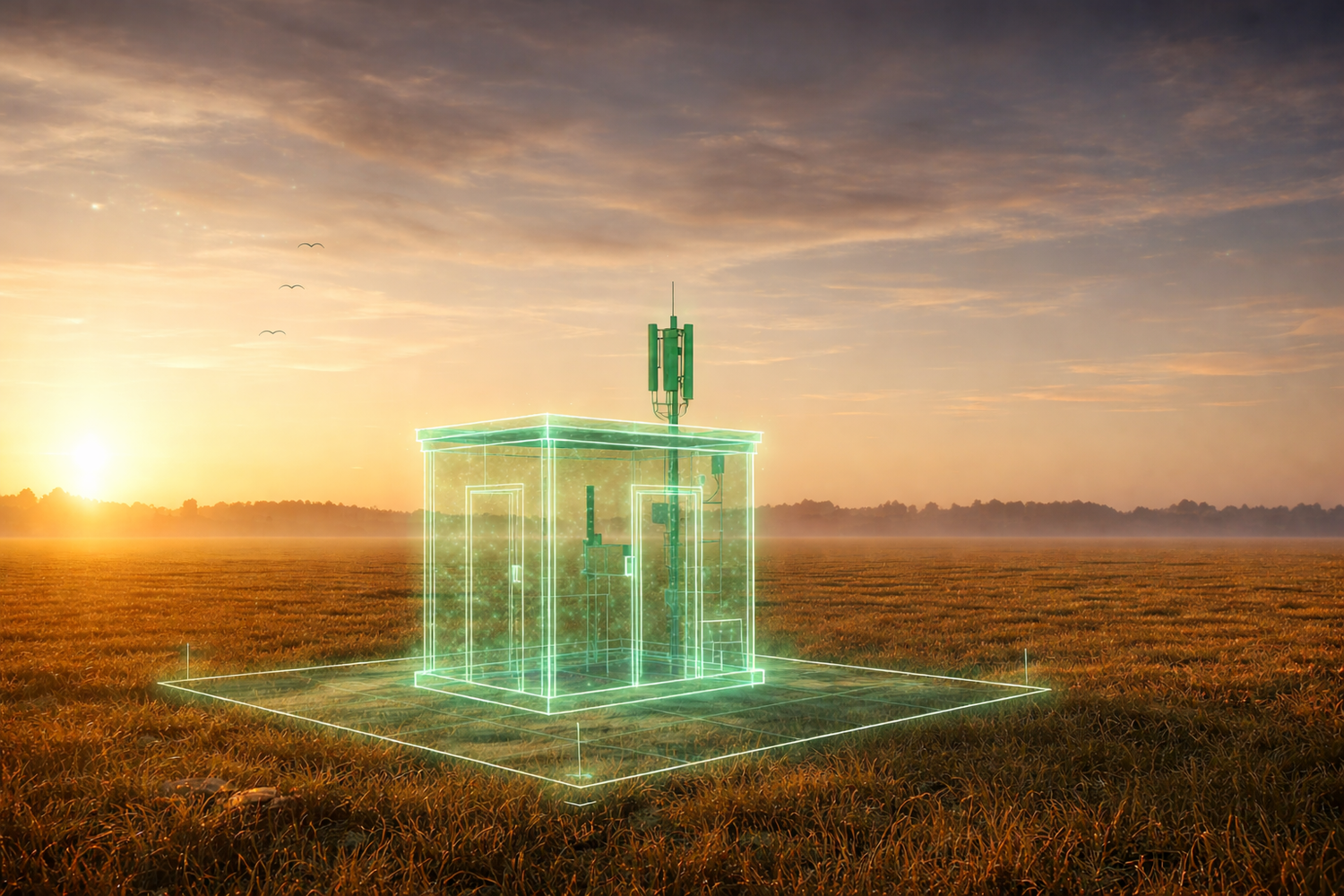
AI Fueling Surge in ILA Hut Demand
As AI workloads drive unprecedented data volumes and stricter latency requirements, network infrastructure is being rethought from the ground up. In-line amplifier (ILA) huts are emerging as critical building blocks for this growth.
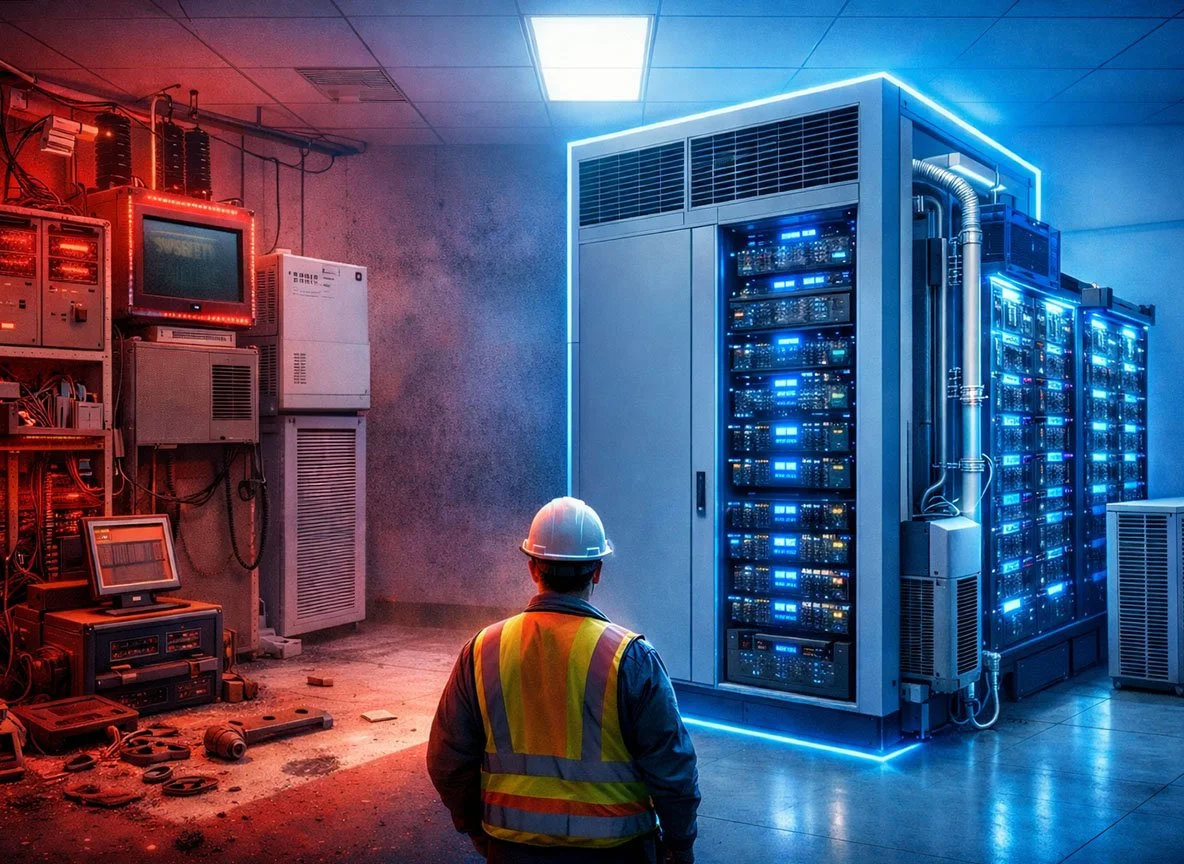
AI Capacity Without BUILDING A NEW DATACENTEr
Decommissioning has become one of the fastest ways for data centers to unlock AI-ready capacity. By clearing out inefficient legacy infrastructure, operators can reclaim power, modernize cooling, and redeploy space for high-density AI workloads—without waiting years for new builds.
Colocation
Colocation lets companies host their equipment in third-party data centers for lower cost, scalability, and reliability, often replacing private facilities to boost efficiency and reach.
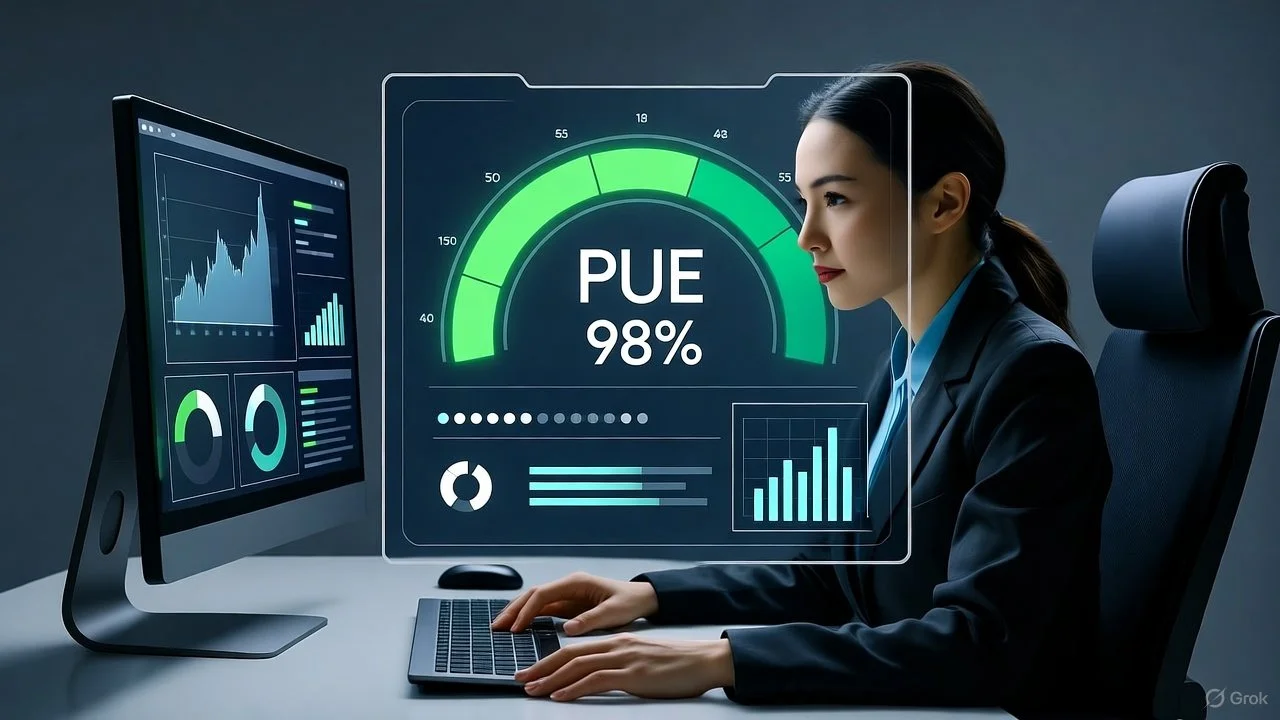
Power Usage Effectiveness
Power Usage Effectiveness (PUE) is the go-to metric for measuring how efficiently a data center uses energy. Operators rely on it because it directly connects infrastructure efficiency to business performance.
Data Center Decommissioning Checklist
With a total of 7 phases, you need a checklist to stay organized and avoid slip-ups as you handle inventory, data security, equipment removal, asset management, site cleanup, and the final review. Keep everything on track by setting goals, picking a manager, making a timeline and budget, checking contracts, spotting risks, and getting permits.
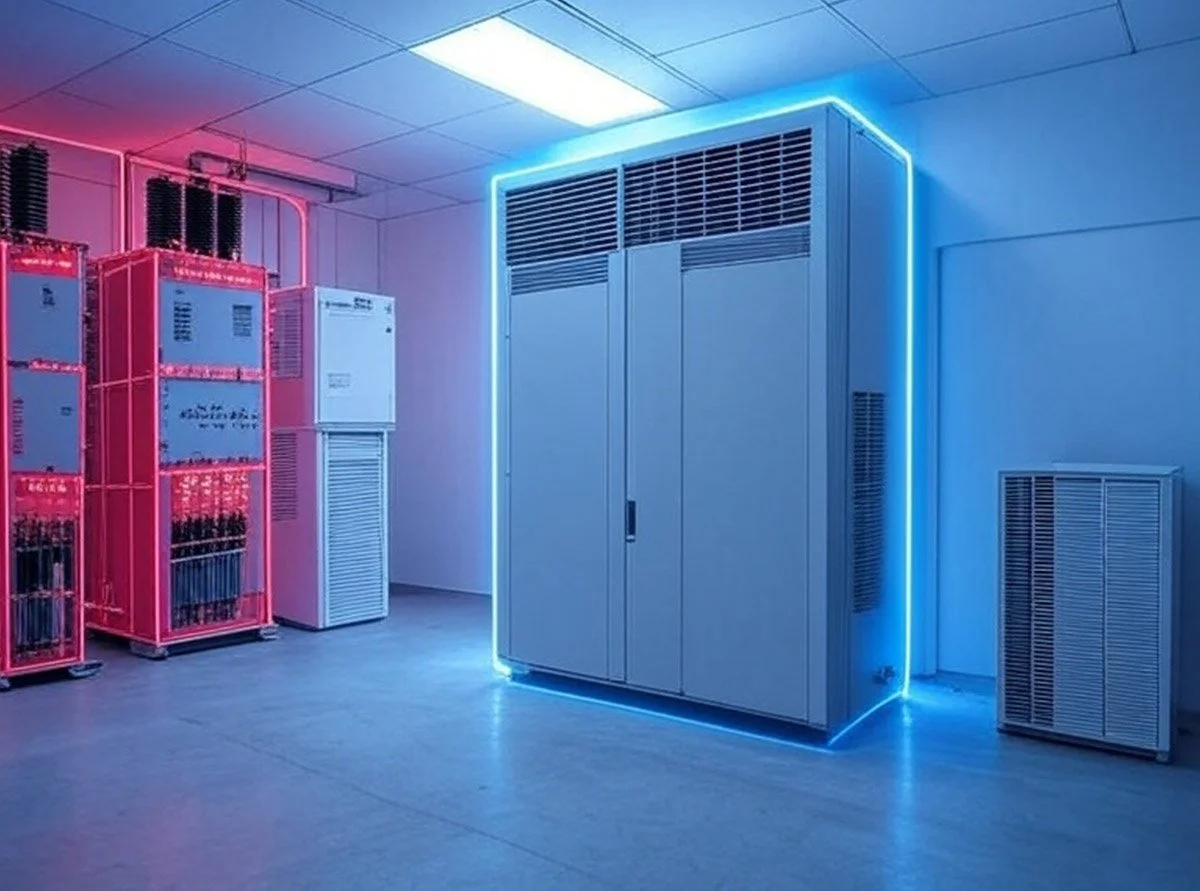
Decommission CRAC/CRAH units
Decommissioning CRAC (Computer Room Air Conditioning) or CRAH (Computer Room Air Handling) units can improve Power Usage Effectiveness (PUE) at data centers by reducing unnecessary cooling energy consumption, eliminating overcapacity, and improving overall cooling efficiency.
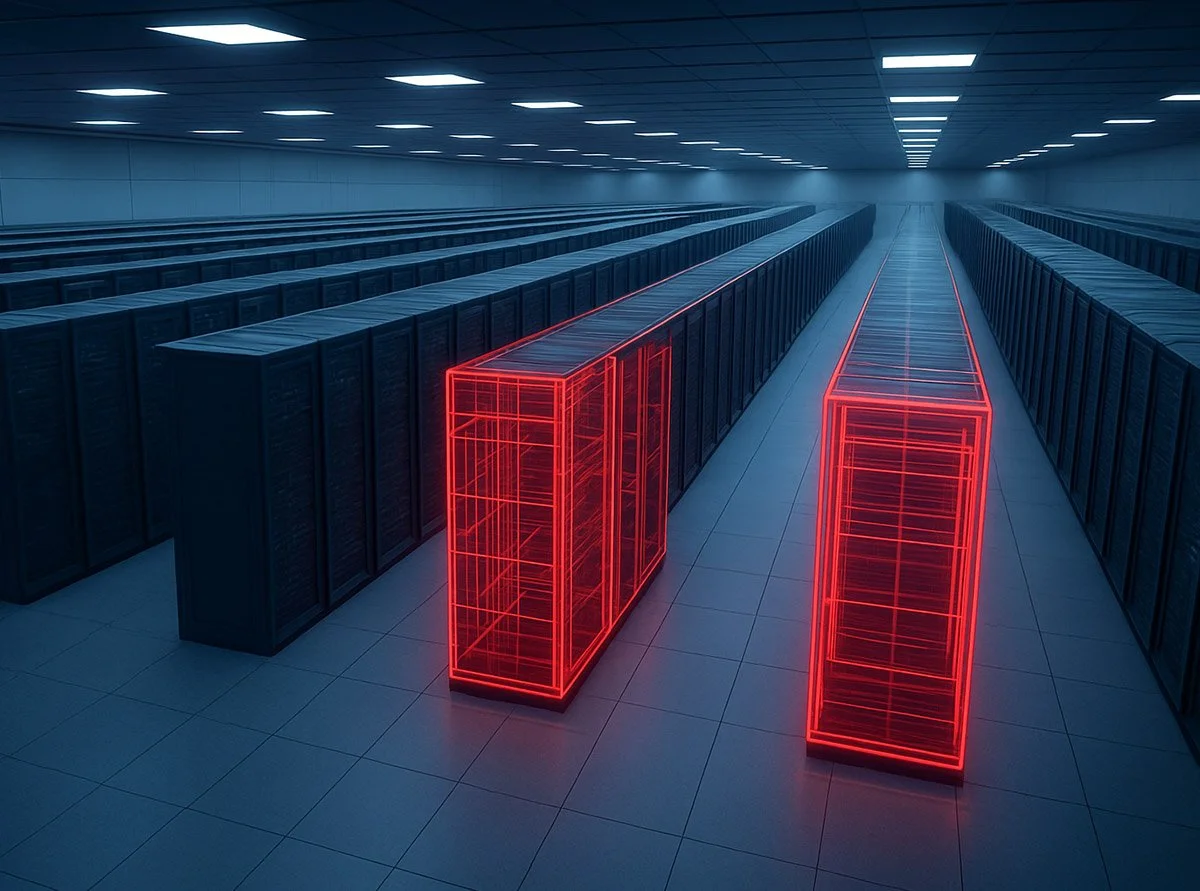
Decommissiong Idle Servers
Decommissioning idle servers—also known as "zombie servers"—can significantly improve a data center's Power Usage Effectiveness (PUE) by eliminating unnecessary energy consumption and reducing cooling demand without affecting productive IT load.
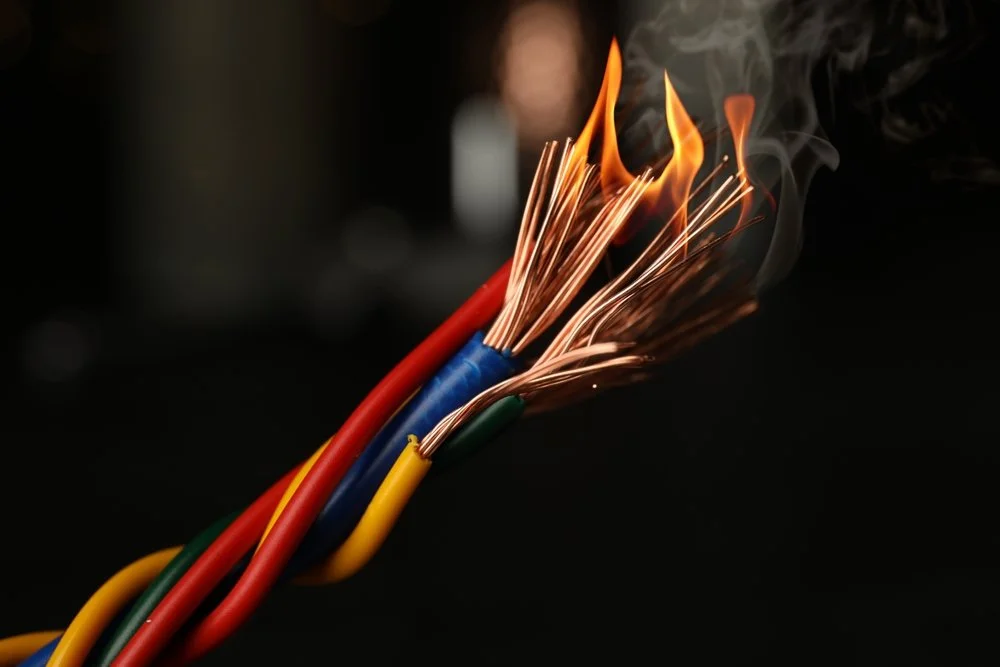
Abandoned cabling
Decommissioning abandoned cabling in data centers improves Power Usage Effectiveness (PUE) by enhancing airflow, reducing cooling requirements, and improving operational efficiency — all of which help reduce total facility power, the numerator in the PUE equation.
Improving Power Usage effectiveness
To improve Power Usage Effectiveness (PUE) in a data center, operators can decommission or consolidate a variety of non-IT infrastructure and underutilized assets that consume energy without directly supporting the compute load.
Removing Legacy UPS
Decommissioning legacy UPS (Uninterruptible Power Supply) systems can significantly improve Power Usage Effectiveness (PUE) at data centers by reducing electrical losses, cooling demand, and maintenance overhead associated with outdated and inefficient infrastructure.
Removing unused Circuits
Decommissioning unused Power Distribution Units (PDUs) and electrical circuits in a data center can significantly improve Power Usage Effectiveness (PUE) by reducing parasitic energy losses, minimizing unnecessary heat generation, and enhancing electrical efficiency.